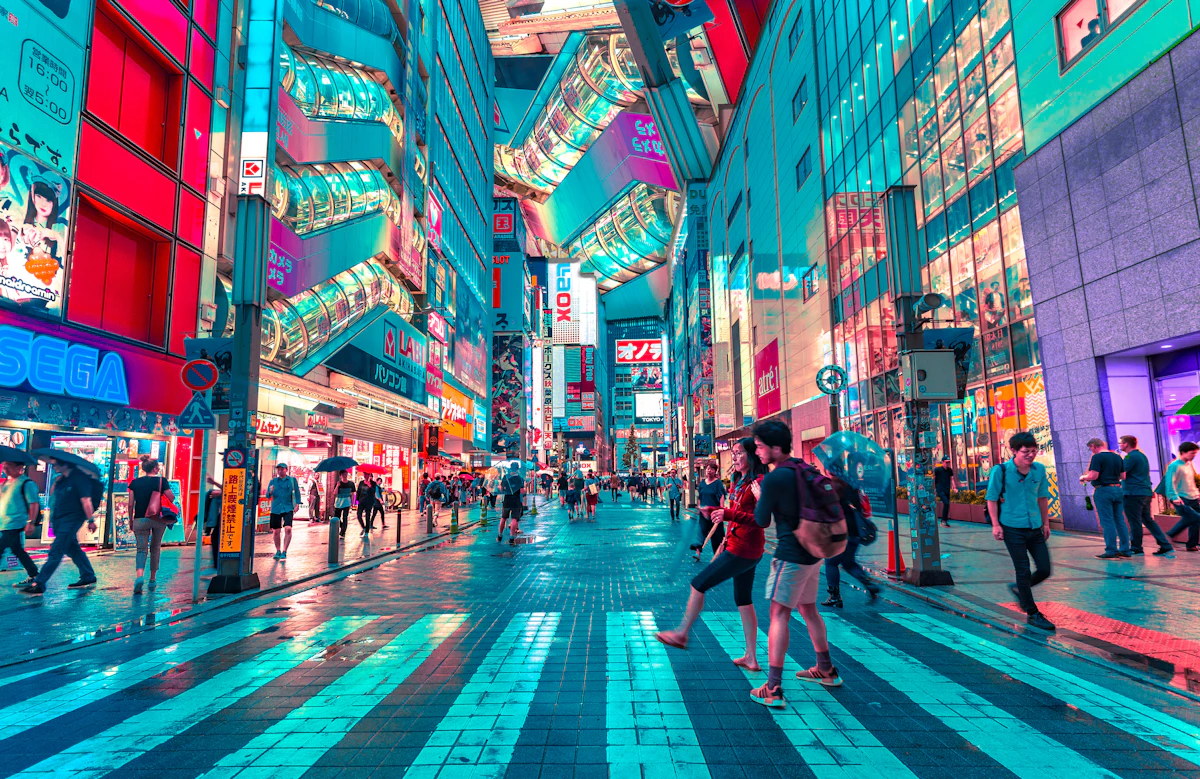
Osu Guide: Nagoya's Best Neighborhood for Street Food and Retro Shopping
A walking guide to Osu — Nagoya's most interesting neighborhood. Covered shopping arcades, street food stalls, vintage stores, temples, and the best spots for retro shopping and people-watching.
A walking guide to Osu — Nagoya's most interesting neighborhood. Covered shopping arcades, street food stalls, vintage stores, temples, and the best spots for retro shopping and people-watching.
Why Osu?
Every Japanese city has a shopping district. Most feel interchangeable — chain stores, drug stores, fast fashion. Osu is different. This covered arcade neighborhood in central Nagoya has resisted homogenization: it mixes Buddhist temples with vintage sneaker shops, Filipino groceries with maid cafes, ¥100 takoyaki stalls with specialty coffee roasters. It is the most walkable, most interesting, and most underrated neighborhood in the city.
Osu sits between Osu Kannon Station and Kamimaezu Station on the Tsurumai Line — a flat, easily walkable rectangle of covered shopping streets. You can see the highlights in 2 hours, but the neighborhood rewards a half-day if you like browsing.
Getting There
- Osu Kannon Station (Tsurumai Line) — Exit 2 drops you at the temple entrance. Best starting point.
- Kamimaezu Station (Meijo/Tsurumai Lines) — Exit 9 puts you at the south end of the arcade. Good if coming from Sakae.
- From Nagoya Station: Higashiyama Line to Fushimi, transfer to Tsurumai Line, one stop to Osu Kannon (10 min, ¥240).
The Walking Route
Start at Osu Kannon Temple, walk south through the main arcade (Osu Kannon-dori), then loop through the cross streets (Banshoji-dori, Akamon-dori, Niomon-dori) before ending near Kamimaezu. This covers the full rectangle in about 1.5 km of walking.
Stop 1: Osu Kannon Temple (大須観音)
A major Buddhist temple founded in 1333, relocated to its current site by Tokugawa Ieyasu in 1612. The main hall was rebuilt after WWII but retains its traditional architecture. The temple hosts a flea market on the 18th and 28th of every month — worth timing your visit for if possible.
- Entry: Free
- Time: 10–15 minutes
- Don't miss: The two stone Nio guardian statues at the gate, and the pigeon flock on the main steps (bring ¥100 for seed from the vending machine if you want a photo)
Stop 2: Osu Kannon-dori (Main Arcade)
The spine of the neighborhood. Walk south from the temple through the covered arcade. The first section is heavy on electronics shops (Osu was Nagoya's Akihabara before the internet killed that economy) — you will still find retro game shops, component stores, and PC repair stalls alongside newer businesses.
Key stops on Kannon-dori:
- Komehyo Osu — Japan's largest secondhand luxury goods chain, headquartered here. Designer bags, watches, and jewelry at 30–60% off retail. The building has multiple floors organized by category.
- Retro game shops — Three clustered near the temple end selling Famicom, Super Famicom, Game Boy cartridges, and vintage consoles. Prices are fair and inventory is deep.
- Osu 301 Building — A multi-floor building with independent shops: vintage clothing, handmade accessories, import records.
Stop 3: Banshoji Temple and Surroundings
Turn east at the Banshoji intersection. Banshoji (万松寺) is a Zen temple with a notably modern renovation — LED lights, a mechanical dragon that activates on the hour, and a contemporary concrete facade. It is jarring and interesting in equal measure.
The streets around Banshoji are the densest section for food:
Street food on Banshoji-dori:
- Takoyaki (octopus balls) — ¥400–500 for 6 pieces. Multiple stalls; follow the queue.
- Misen (味仙) — The birthplace of Nagoya's Taiwan ramen. A spicy, garlicky minced pork ramen that is technically neither Taiwanese nor traditional ramen. The original shop is small, noisy, and excellent. ¥850.
- Kebab stalls — Osu has a significant Turkish community. The döner kebab here is legitimately good. ¥500–700.
- Brazilian açaí bowls — Osu has the largest Brazilian community in the Nagoya area. Several shops sell açaí, coxinha, and pão de queijo.
Stop 4: Akamon-dori (Red Gate Street)
Named after the red gate of a now-demolished temple, Akamon-dori runs parallel to Kannon-dori one block east. This street has the highest concentration of vintage and secondhand clothing:
- 2nd Street — chain secondhand shop, good for jackets and denim at ¥1,000–3,000
- Independent vintage shops — 5–6 small stores selling curated American vintage, military surplus, and 90s Japanese streetwear
- Sneaker shops — several stores specializing in vintage Nike, New Balance, and limited releases
Stop 5: Niomon-dori and the South End
The southern section of Osu is quieter and more residential. Niomon-dori has a cluster of specialty coffee shops and small cafes that have opened in the last few years:
- Trunk Coffee — third-wave roaster with rotating single origins, pour-over focused. ¥500–700.
- Kannon Coffee — named after the temple, tiny shop with good espresso and a photogenic storefront.
The Filipino and Vietnamese grocery stores along the south end stock ingredients you will not find in mainstream Japanese supermarkets — worth a browse for home cooks.
Monthly Events in Osu
| Date | Event |
|---|---|
| 18th, 28th | Osu Kannon flea market — antiques, crafts, secondhand kimono |
| First Saturday | Osu cosplay parade (variable, check schedule) |
| Early August | Osu Summer Festival — street performances, extended food stalls |
| Mid-October | Osu Autumn Festival — similar to summer, with a procession |
The flea market on the 18th/28th is the most accessible for tourists — it runs 6:00–14:00 on the temple grounds regardless of weather. Arrive by 8:00 for the best selection of vintage kimono and ceramics.
Practical Notes
- Time needed: 2 hours for a focused walk, 3–4 hours with food stops and shopping
- Best time to visit: Early afternoon (13:00–16:00). Some shops don't open until 11:00 or 12:00. The arcade is covered, so rain is not a problem.
- Cash: Bring ¥5,000–10,000 in cash. Small food stalls and vintage shops are often cash-only. Komehyo and larger stores accept cards.
- Combine with: Nagoya Castle (2 subway stops away) in the morning, then Osu in the afternoon. Or Sakae for dinner — it is a 15-minute walk north.
- Skip if: You dislike crowds and noise. Weekend afternoons are packed. Weekday mornings are much quieter but some shops will be closed.
Osu vs. Akihabara (Tokyo)
Travelers often ask if Osu is "Nagoya's Akihabara." It was, in the 1990s, when both neighborhoods centered on electronics. Today, Osu has diversified far beyond electronics into vintage fashion, international food, and street culture, while Akihabara has narrowed into anime/manga/gaming. Osu is closer to Shimokitazawa (Tokyo) or Amerikamura (Osaka) in its current identity — a mixed creative neighborhood with genuine local character.